Nicotine pouch strength: signs a pouch may feel too strong
Nicotine pouches can look similar on the outside. A slim pouch in one brand may feel quite different from another that appears much the same size. That is why strength is not something to judge by the pouch alone. The nicotine content, the way nicotine release happens, and a person's tolerance all shape how a pouch feels.
For adults aged 18 and over, the practical question is often simple: does this pouch feel stronger than expected? The answer may show up as a sharp taste, a quick warming sensation, or a lingering effect that feels hard to settle. These signs do not mean the same thing for everyone, but they are useful signals to slow down and reassess.
What "too strong" means in practice
A nicotine pouch that feels too strong is usually one whose effect sits above what the person wanted or expected. It does not have to be the strongest product in a range. It may simply be stronger than that person usually prefers, or stronger than the moment calls for.
Strength is often described in milligrams, but the number alone does not tell the full story. A strength rating gives a useful starting point, yet pouch size and moisture can affect how quickly nicotine becomes noticeable. Some products release nicotine steadily, while others feel more immediate. That difference can make the same labelled strength feel distinct from one brand to another.
Tolerance matters too. Someone who uses nicotine regularly may handle a higher strength with little fuss, while someone who uses it occasionally may find a moderate option intense. Tolerance can also shift over time, so a pouch that once felt fine may later seem sharp or heavy. This is not a failure of the product. It is a change in how the body responds.
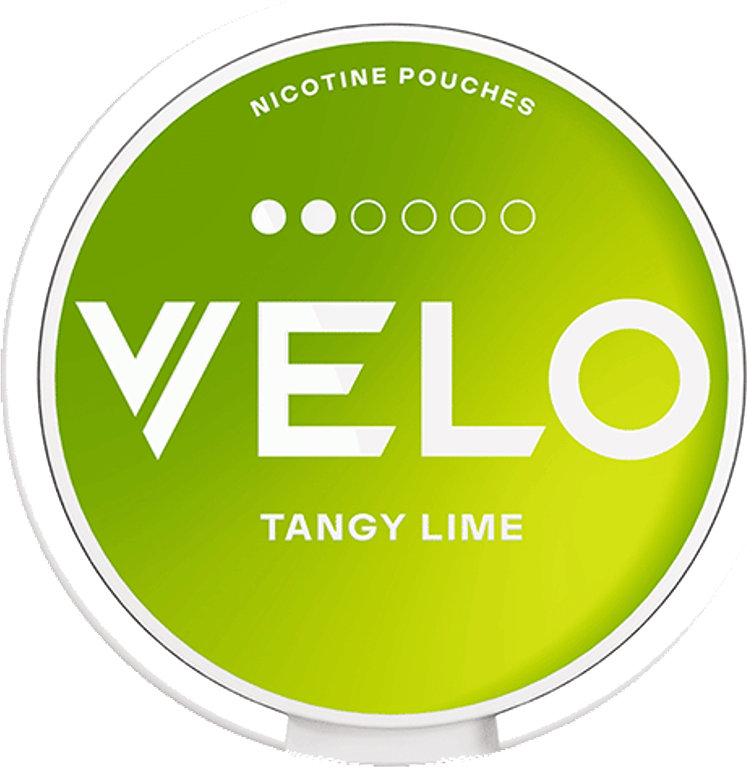
Many adults compare products by looking at pouches sorted by nicotine strength, then narrowing the choice by flavour and format. That approach makes sense because strength is often the first thing to adjust when a pouch feels uncomfortable. It also helps separate strength from flavour, since a bold mint or fruit taste can be mistaken for nicotine strength when it is really just a strong flavouring.
Signs the effect is arriving too quickly
One clear sign is a sudden, intense sensation soon after placing the pouch. Some people describe a tingling or warming feeling under the lip. A small amount of tingling can be normal for nicotine products, but a sharp or spreading burn may suggest the pouch is more than the person wants at that time.
Another sign is a rapid head change. Nicotine can feel stimulating, and a stronger pouch may create a light-headed or buzzing feeling rather than a gentle lift. If concentrating becomes difficult, or the effect feels uneven and unsettled, the pouch may be too strong for that setting. This is especially relevant when someone expects a mild product for everyday use.
Hiccups, a sour taste, or a tight feeling in the throat can also follow a pouch that feels intense. These signs are not a diagnosis, and responses vary. They still point to the same practical idea: the nicotine release may be faster or more pronounced than expected.
Signs the effect is lasting longer than wanted
Some pouches feel acceptable at first, then build over time. If the effect keeps growing well beyond the usual window, it may be stronger than intended. A person might notice restlessness, a racing feeling, or difficulty relaxing after what was meant to be a modest pouch.
Long-lasting effects can also interfere with sleep or quiet time. Nicotine is stimulating, so a pouch used late in the day may feel stronger simply because the body is winding down. In that case, the timing may be part of the issue, not just the strength. Moving use earlier can be as relevant as changing the product.
Flavour can shape this impression. A long-lasting cooling flavour may keep the mouth feeling active even after the nicotine effect has softened. It is worth asking whether the discomfort comes from the nicotine itself or from a flavour that stays too long. The distinction helps avoid changing strength when the real issue is taste.
How to read strength labels without overthinking them
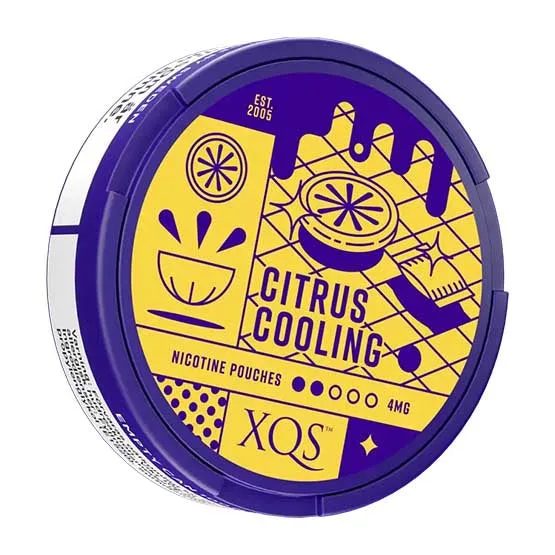
Strength labels are useful, but they are not identical across every brand. One company's "medium" may not match another company's "medium" in feel. This is where the stated nicotine content in milligrams helps. It gives a more concrete point of comparison than a descriptive word alone.
Format also plays a part. A mini pouch may feel less noticeable because it sits small under the lip, but the nicotine content still matters. A slim pouch may feel neat and discreet while delivering a steady effect. Pouch size changes comfort and placement, not just appearance.
Adults who want milder options often compare light nicotine pouches by strength first, then look at flavour and pouch format. This keeps the decision grounded. A gentle flavour with a higher nicotine content may still feel strong. A strong flavour in a lower strength pouch may taste bold without delivering the same effect.
When browsing pouches sorted by nicotine strength, it can help to treat the ratings as a map rather than a promise. They point toward a likely experience, but personal response still decides whether a pouch feels right. Moving down one strength level is often more useful than jumping straight to the lowest option, especially for someone who already uses nicotine and wants a small adjustment.
What to check before deciding a pouch is too strong
A few simple checks can make the reason clearer:
- Compare the nicotine content in milligrams with the product usually used.
- Consider whether the pouch was placed at a time when stimulation feels more noticeable.
- Separate a strong flavour from a strong nicotine effect.
- Notice whether the sensation fades steadily or keeps building.
- Think about recent changes in tolerance, even if no product changed.
These checks are not about forcing a pouch to work. They help identify what is causing the discomfort. If the nicotine content is higher than usual, a lower strength may be the answer. If the timing is the problem, a different moment of use may help. If the flavour is the main issue, another taste in the same strength range may feel more comfortable.
When to step back
Nicotine is addictive and can raise heart rate. A pouch that feels too strong should not be pushed through in the hope that the feeling will pass. Stopping use for the session is sensible when the effect feels unpleasant. Keeping track of which strength and format caused that response can help future choices.

It is also wise to keep nicotine pouches away from children and pets. Adult use should stay within the age requirement of 18 and over. Any product that causes concerning physical symptoms should be set aside, and medical advice sought if symptoms feel serious or do not settle.
Choosing a calmer fit
A calmer fit usually comes from matching strength, flavour, and timing to the person using it. Lower nicotine content, a smaller pouch, or a milder flavour can each change the experience. The aim is not to chase the weakest option available, but to find a pouch that feels steady and predictable.
For adults comparing products, a practical approach is to start from the numbers on the pack, then use personal response to refine the choice. Nicotine pouches are small, but their effects are not always subtle. A pouch that feels too strong is simply giving clear feedback, and that feedback is most useful when it leads to a more considered choice next time.